The best things are those we make with our own hands. In fact, it is advisable not to buy the best cheap organic fertilizer but to make it yourself. So? Here are some steps you need to follow to make an excellent fertilizer and get very flowering tomato and cucumber plants.
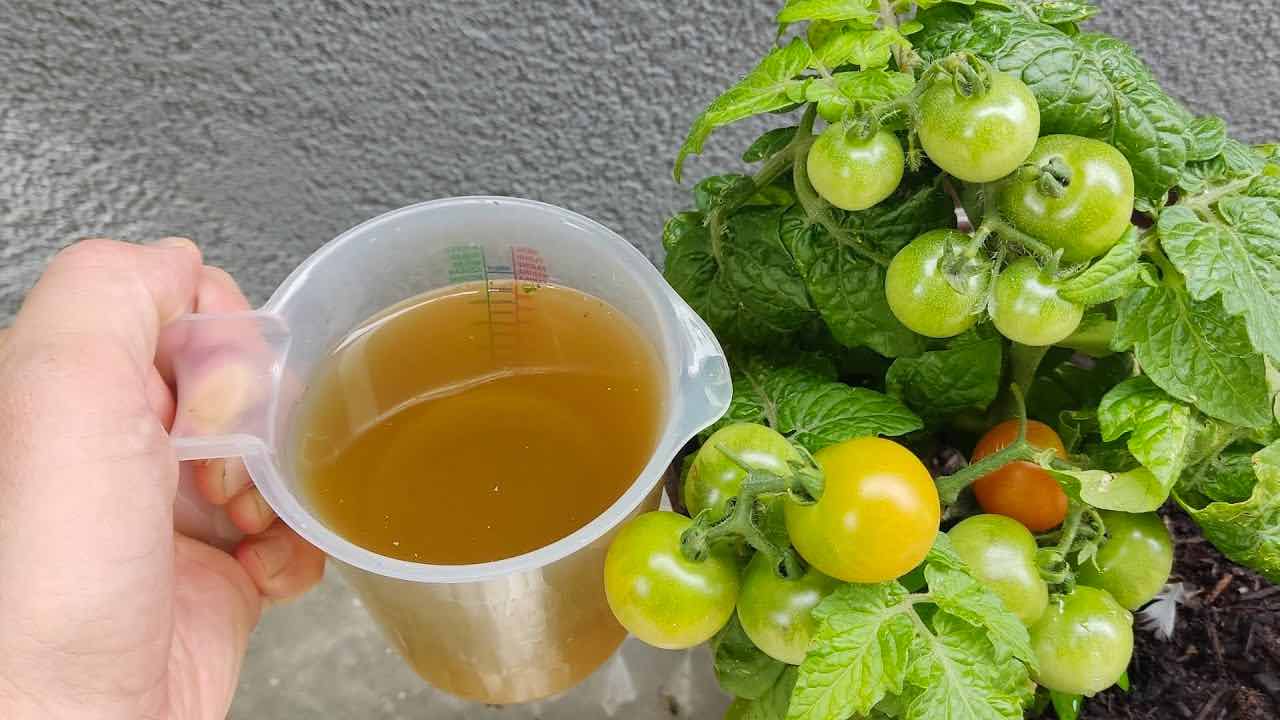
If you’re a gardening enthusiast, you know how important using organic fertilizer is to growing healthy and thriving plants. However, not all fertilizers are the same – some can be very expensive or take too long to prepare.
But there is an inexpensive and easy-to-make solution at home that can produce great results on your tomatoes and cucumbers! In this article, we’ll show you how to make the best cheap organic fertilizer using just a few ingredients and without breaking your budget. Are you ready?
What is organic fertilizer?
Organic fertilizer is a natural product used to feed plants and improve soil quality. Unlike chemical fertilizers, organic fertilizer does not contain any harmful or toxic substances and is 100% ecological. Organic fertilizer offers many advantages over synthetic alternatives.
First, it helps improve plant health by providing them with a full spectrum of essential nutrients such as nitrogen, phosphorus and potassium. This means your plants will thrive and be disease resistant.
Secondly, organic fertilizer also improves soil quality because it stimulates the activity of beneficial microorganisms living in the soil. These organisms work together to break down plant material into nutrient-rich compost.
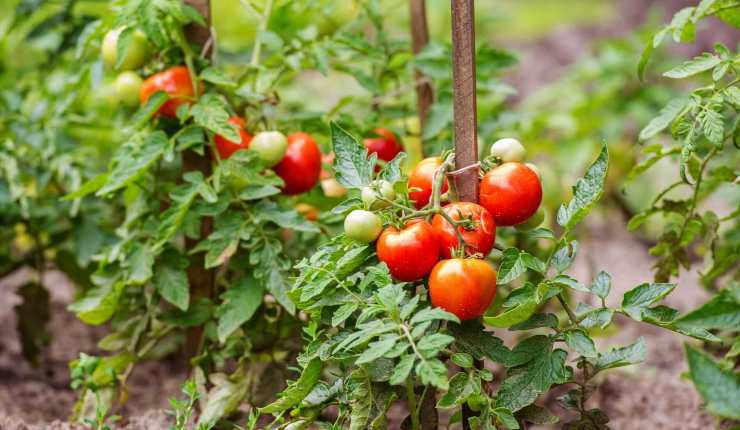
Finally, organic fertilizer also helps increase soil fertility in the long term by adding organic matter to the soil. Organic material acts as a natural water reservoir in the soil and provides structural support for plant roots.
The benefits of organic fertilizer
Organic fertilizer has many advantages over synthetic chemical fertilizers. First, it is more sustainable for the environment because it comes from natural sources and does not contain toxic substances that can harm the soil and the plants themselves.
Organischer Dünger verbessert langfristig die Bodenstruktur, indem er mehr organische Substanz liefert und den Boden fruchtbarer macht. Dies kann dazu beitragen, Wüstenbildung zu verhindern und den Bewässerungsbedarf zu verringern.
Ein weiterer großer Vorteil von organischem Dünger besteht darin, dass er die Pflanzengesundheit fördert, ohne unerwünschte Nebenwirkungen wie Chemikalien zu verursachen. Pflanzen wachsen am besten, wenn sie durch einen Prozess natürliche Nährstoffe aus dem Boden erhalten, die im Laufe der Zeit nach und nach freigesetzt werden.
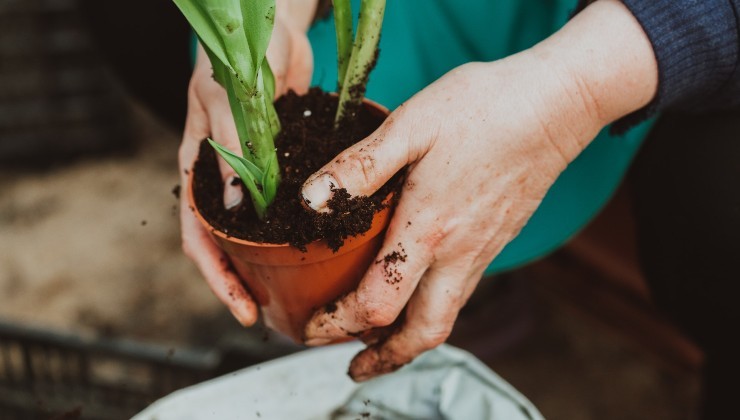
Schließlich bedeutet die Verwendung eines natürlichen Düngers, dass Sie zur Schaffung einer ausgewogenen und gesunden Umgebung für alle am Anbau beteiligten Organismen beitragen, von der Mikroflora über Bienen bis hin zu Vögeln. Dadurch entsteht eine positive Nahrungskette, in der alles harmonisch und ohne Einmischung von außen zusammenarbeitet.
Den besten günstigen organischen Dünger können Sie mit einem Eimer oder Fass, Grasschnitt und Wasser selbst herstellen
Der beste günstige organische Dünger ist der, den wir mit nur wenigen Werkzeugen und Zutaten ganz einfach zu Hause zubereiten können. Tatsächlich müssen Sie nicht viel Geld für den Kauf von fertigem Kompost oder anderen teuren Produkten ausgeben.
Alles, was Sie brauchen, ist ein Eimer oder Fass, frischer Grasschnitt und Wasser . Es ist wichtig, einen Kunststoffbehälter anstelle eines Metallbehälters zu verwenden, da dieser während des Fermentationsprozesses reagieren kann.
Für die Zubereitung müssen wir den Eimer zu drei Vierteln mit geschnittenem Gras füllen und dann das Wasser aufgießen, bis die Pflanzenmasse vollständig bedeckt ist. Um die Gärung zu beschleunigen, geben Sie am besten etwas Zucker, Hefe und die zerkleinerte Brotkruste hinzu . Um es noch wirksamer zu machen, kann eine kleine Menge Holzasche hinzugefügt werden.
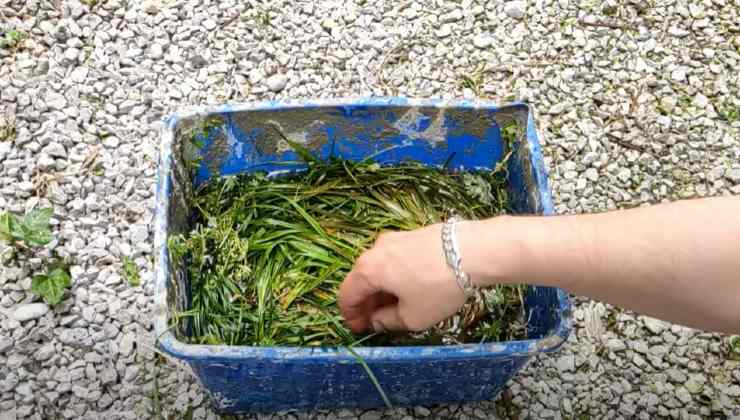
Die Gärung dauert je nach Witterungsbedingungen etwa zwei Wochen: Je heißer es ist, desto kürzer dauert die Gärung. Sobald die Verbindung fertig ist, kann sie im Verhältnis 1:10 mit Wasser verdünnt zum Gießen von Gemüsepflanzen wie Tomaten und Gurken verwendet werden.
Auf diese Weise hätten wir einen natürlichen Pflanzendünger geschaffen, der reich an für Pflanzen lebenswichtigen Nährstoffen wie Stickstoff, Phosphor, Kalium und mikromineralischen Elementen ist.
Organischer Dünger, einige Tipps, um ihn optimal zu nutzen
Natürlich gibt es hier einige Tipps, um organischen Dünger optimal zu nutzen :
- Verwenden Sie organischen Dünger gleichmäßig : Verteilen Sie ihn gleichmäßig auf dem Boden oder den Pflanzen, die Sie düngen möchten, und vermeiden Sie, dass er sich nur in bestimmten Bereichen ansammelt.
- Dilute properly: When using a liquid fertilizer, it is important to dilute it according to the instructions on the product label. This will prevent plants from being harmed by too high a concentration of nutrients;
- Do not exceed the dosages: Even if the organic fertilizer is a natural product, it is important not to exceed the recommended dosages, since too much nutrients can be harmful to the plants;
- Apply at the right time: The best time to fertilize depends on the type of plant. For example, some plants need more nutrients during the growing season, while others need more nutrients during flowering.
- Store properly: Store the organic fertilizer in a dry and cool place, away from direct sunlight and heat sources to prevent decomposition.
Some tips for growing tomatoes and cucumbers
When growing tomatoes and cucumbers, there are some tips to follow to ensure good production. First of all, it is important to choose a sunny location where the plants receive at least 6 hours of direct light every day.
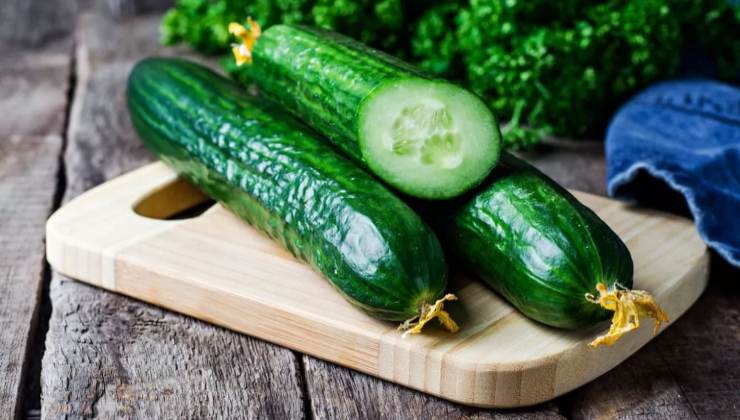
In addition, it is important to prepare the soil well before sowing or transplanting the seedlings. The soil must be rich in nutrients such as nitrogen, phosphorus and potassium. It can be enriched with organic compost or natural fertilizer.
During the growth of the plants, water stress must be avoided: therefore, water regularly, but not too much. To prevent fungal diseases such as gray mold in tomatoes, it is recommended to water only at the base of the plant and not to wet the leaves.
It is also important to cut off any side shoots that grow from the axils between the main branches and the leaves. These shoots drain energy from the main plants and hinder fruit development.
Finally, when harvesting tomatoes and cucumbers, it is advisable to use special scissors to avoid accidentally damaging them with your hands. By following these simple precautions, you can achieve a good production of fresh and tasty vegetables straight from your own garden!
The best cheap organic fertilizer is the one we make ourselves
To summarize, the best cheap organic fertilizer for tomatoes and cucumbers can be prepared comfortably at home. You do not need to spend money to buy expensive industrial fertilizers: a bucket or barrel, cut grass and water are enough. It is not only an economical solution, but also ecological and sustainable . This type of fertilizer makes plants stronger and more resistant to adverse climatic conditions, eliminating the need to use chemicals that are harmful to the environment.
Always try to make the right choice when it comes to the health of your plants and the environment. With our tip on how to make a fermented vegetable fertilizer, you can save money while enjoying the benefits of your vegetables .