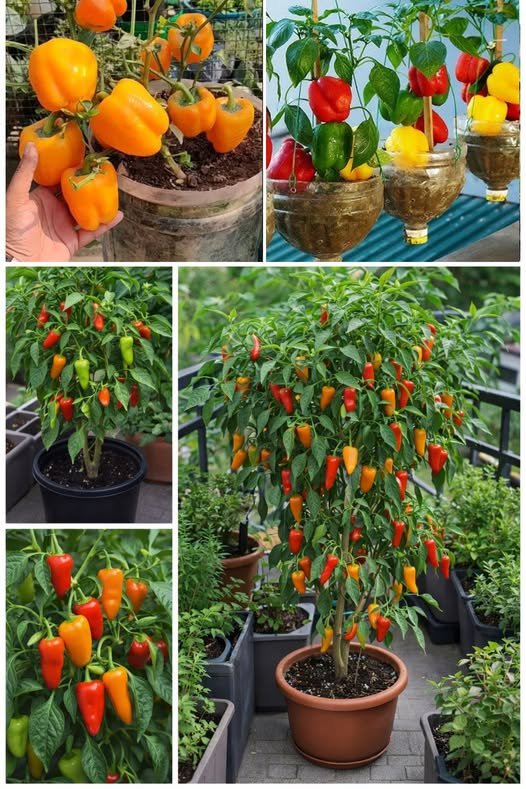
You don’t need a sprawling backyard or fancy greenhouse to grow sweet, colorful bell peppers. With just a few small pots, some sunlight, and a little care, you can enjoy a steady supply of crisp, flavorful peppers right from your balcony, patio, or even a sunny windowsill.
Bell peppers—also called capsicums—are one of the easiest and most rewarding vegetables to grow in containers. Compact, productive, and decorative, they bring both color and freshness to your home garden. Here’s your complete step-by-step guide to growing healthy, high-yielding bell peppers in small pots.
1. Choose the Right Variety
The first key to success is picking a variety suited to container life. Not all bell peppers are created equal—some grow tall and sprawling, while others stay compact and thrive in tight spaces.
Best compact varieties for pots include:
- Mini Bell: Small, vibrant, and perfect for balconies.
- Sweet Banana: Slender, mild, and productive.
- Lunchbox Peppers: Petite, colorful, and ideal for snacking.
These varieties produce well even in limited root space, making them perfect for container growing. Choosing the right type means less maintenance and more fruit per plant.
2. Select the Perfect Pot
Play
00:00
00:00
00:00Mute
Powered by
GliaStudios
Bell peppers need room to stretch their roots, but not too much. A pot that’s 10–12 inches deep and wide is ideal for a single plant.
When choosing containers:
- Make sure there are drainage holes at the bottom—peppers dislike sitting in soggy soil.
- Fabric pots are excellent for airflow and drainage.
- Terracotta or plastic pots also work well, just ensure good drainage.
If you’re growing multiple plants, give each its own pot to prevent competition for nutrients and water.
3. Use a High-Quality Potting Mix
Good soil makes all the difference. Garden soil is often too heavy for containers and can lead to poor drainage and compacted roots. Instead, create a light, nutrient-rich potting mix that retains moisture but drains well.
A simple recipe includes:
- 2 parts potting soil
- 1 part compost or aged manure
- 1 part perlite or vermiculite for aeration
Bell peppers prefer a slightly acidic to neutral pH (6.0–7.0). If you want to give your plants an extra boost, mix in some slow-release organic fertilizer before planting.
4. Start with Strong Seedlings or Seeds
You can grow bell peppers either from seeds or young nursery plants.
If starting from seed:
- Sow seeds indoors 8–10 weeks before your last expected frost date.
- Use seed trays with a quality seed-starting mix and keep them warm and moist.
- Once seedlings reach 4–6 inches tall and outdoor temperatures stay above 15°C (59°F), transplant them into pots.
Handle the roots gently when transplanting, as peppers can be sensitive to root disturbance.
5. Provide Plenty of Sunlight
Bell peppers love the sun—it’s what fuels their growth and vibrant color. Place your pots where they’ll receive at least 6–8 hours of direct sunlight daily.
If you’re growing indoors or in a shaded area, supplement with grow lights to mimic full-spectrum sunlight. Rotate the pots every few days so all sides of the plant receive light evenly.
In very hot climates, give the plants some light afternoon shade to prevent leaf scorch.
6. Water Consistently—But Don’t Overwater
Consistent moisture is essential for healthy pepper plants. Uneven watering can cause issues like blossom-end rot or small, misshapen fruits.
Watering tips:
- Check soil moisture daily—if the top inch feels dry, it’s time to water.
- Water deeply so the roots grow strong, but avoid letting the soil stay soggy.
- Always water at the base of the plant, keeping the leaves dry to prevent fungal problems.
During hot weather, you may need to water daily, especially if using fabric pots that dry out faster.
7. Feed Regularly for Maximum Yields
Container-grown peppers rely on you for nutrients, as pots hold limited soil. Feed your plants every 2–3 weeks with a balanced fertilizer such as 10-10-10 or 5-10-10.
During the flowering and fruiting stages, switch to a phosphorus- and potassium-rich fertilizer to promote more blooms and stronger fruits. Organic options like fish emulsion, compost tea, or worm castings are also excellent choices.
8. Support Your Plants as They Grow
Even compact pepper plants can become top-heavy when loaded with fruit. To prevent bending or breakage, insert a small stake or tomato cage early on. Tie the stems loosely with soft garden ties or twine.
Good support keeps your plants upright, improves airflow, and makes harvesting easier.
9. Watch for Pests and Diseases
While container peppers are less prone to pests than garden-grown ones, they still need monitoring. Common issues include:
- Aphids and spider mites: Spray with neem oil or insecticidal soap.
- Whiteflies: Use sticky traps or encourage beneficial insects like ladybugs.
- Powdery mildew or leaf spots: Improve air circulation and avoid wetting the leaves.
Regularly check the undersides of leaves and remove any damaged or infested parts. Healthy, stress-free plants resist disease naturally.
10. Harvest at the Right Time
The most exciting part of growing bell peppers is harvesting! You can pick them when they’re green, firm, and shiny, or let them ripen further to red, yellow, or orange for a sweeter flavor.
Use scissors or garden shears to snip the peppers cleanly from the stem—pulling them off can damage the plant. The more you harvest, the more the plant will produce.
Final Tips for Success
- Start small: One or two pots are enough to get a steady supply of fresh peppers.
- Rotate pots regularly: Ensures even sunlight exposure and balanced growth.
- Mulch the soil: Helps retain moisture and keeps roots cool.
- Prune lightly: Remove yellowing or crowded leaves to boost airflow and fruiting.
A Colorful Harvest in Every Corner
Growing bell peppers in small pots proves that you don’t need a big garden to enjoy a big harvest. With proper sunlight, nutrient-rich soil, and regular care, these compact plants will reward you with vibrant, crunchy peppers bursting with homegrown flavor.
Whether you use them in salads, stir-fries, or stuffed dishes, your potted peppers will add color, freshness, and pride to every meal—one small pot at a time.