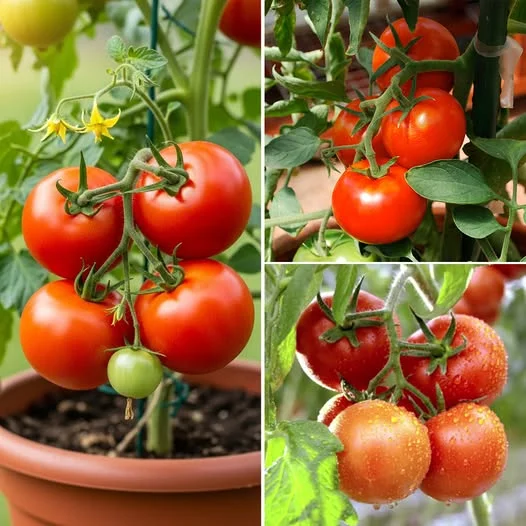
Growing tomatoes in containers is a practical and rewarding gardening solution for people with limited space. Whether you have a sunny balcony, a small patio, or even just a spot near a window, you can grow your own juicy tomatoes with just a few containers and some basic know-how. This method offers flexibility, fewer pest problems, and easier maintenance compared to traditional ground planting.
Here’s everything you need to know to start growing container tomatoes successfully—from choosing the right variety to harvesting delicious homegrown fruit.
Why Choose Container Gardening for Tomatoes?
Container gardening offers several advantages for tomato growers:
Space Efficiency: Ideal for balconies, patios, rooftops, and small gardens.
Better Soil Control: You decide exactly what goes into the soil—no worries about poor or contaminated ground soil.
Mobility: You can move pots around to follow sunlight or shelter them from harsh weather.
Reduced Disease Pressure: Growing in containers helps avoid many soil-borne diseases common in traditional gardens.
Tomatoes love warm conditions, and pots warm up faster in spring than garden beds, allowing for an earlier start to the season.
Choosing the Right Tomato Varieties
Not all tomatoes are equal when it comes to container gardening. Look for compact, bush-type varieties known as determinate tomatoes, which are easier to manage in limited space. However, if you’re ready to provide support and space, indeterminate (vining) varieties can also thrive in large containers.
Top picks for container tomatoes include:
‘Tiny Tim’ – A dwarf cherry variety perfect for small pots and windowsills.
‘Patio Princess’ – Compact and productive, great for balconies.
‘Bush Early Girl’ – A smaller version of the classic Early Girl.
‘Roma’ – Ideal for sauces and pastes, does well in larger containers.
‘Sun Gold’ – A sweet, indeterminate cherry tomato that thrives in large pots with support.
The Best Containers for Tomatoes
Tomatoes have deep roots and need space to spread, so choosing the right container size is essential. Here are some guidelines:
Minimum size: 5 gallons (approximately 18–20 inches in diameter)
Depth: At least 12–16 inches deep
Material: Plastic, terracotta, ceramic, grow bags, or even recycled buckets
Drainage: Ensure there are holes at the bottom for water to drain
Larger containers hold more soil, which retains moisture better and provides more nutrients, supporting healthier, more productive plants.
Soil and Fertilizer Needs
Tomatoes prefer rich, well-draining soil. Use a high-quality potting mix, not garden soil, which can be too heavy and harbor pests. Amend your mix with:
Compost or worm castings for organic nutrients
Perlite or coco coir for improved aeration and moisture retention
Slow-release fertilizer to provide a nutrient base at planting
Throughout the growing season, feed with a balanced liquid fertilizer every 10–14 days, switching to a low-nitrogen, high-phosphorus mix once the plants start flowering to encourage fruit production.
Planting Your Tomatoes
Start with strong seedlings or young plants. If starting from seed, begin indoors 6–8 weeks before the last expected frost.
Fill your container with prepared potting mix, leaving a couple of inches at the top.
Plant deeply—bury the stem up to the first set of true leaves. Tomatoes can form roots along the buried stem, resulting in a stronger plant.
Water thoroughly after planting to help settle the soil and eliminate air pockets.
Add a layer of mulch (such as straw or dried leaves) on top to retain moisture and regulate soil temperature.
Sunlight and Watering
Tomatoes need at least 6–8 hours of direct sunlight daily. Place containers in the sunniest spot available. If growing indoors, consider using a grow light.
Consistent watering is key:
Water when the top inch of soil feels dry
Avoid overwatering—soggy roots can lead to rot
Water at the base, not the leaves, to prevent disease
Container tomatoes often need daily watering during hot spells. Using a self-watering container or drip irrigation system can help maintain steady moisture levels.
Staking and Pruning
Even bush varieties benefit from light support. Use cages, bamboo stakes, or trellises to keep the plant upright and prevent branches from breaking under the weight of fruit.
For indeterminate varieties:
Prune suckers (side shoots between the main stem and leaf branches) to direct energy into fruiting.
Train the vine up a stake or trellis and secure it gently with ties or clips.
Common Problems and Solutions
Blossom end rot: Caused by calcium deficiency and inconsistent watering. Keep soil evenly moist.
Yellowing leaves: May signal overwatering or nutrient deficiency. Adjust feeding or watering as needed.
Pests: Watch for aphids, whiteflies, and hornworms. Remove manually or treat with insecticidal soap or neem oil.
Proper spacing between containers and good airflow reduces the risk of fungal issues like blight or mildew.
Harvesting and Enjoying Your Tomatoes
Tomatoes are ready to harvest when they are fully colored and slightly soft to the touch. Pick regularly to encourage more fruiting. Avoid pulling—use garden scissors or gently twist off the fruit.
Use your fresh tomatoes in salads, sauces, or enjoy them right off the vine for the full flavor experience.
Final Thoughts
Growing tomatoes in containers is a flexible, space-efficient way to enjoy one of the most popular garden vegetables. With the right care, container tomatoes can produce generous harvests all season long. Whether you’re working with a single sunny balcony or a collection of pots in your backyard, this method offers fresh, flavorful tomatoes right at your fingertips.
Tomato Plants in Containers: Everything You Need to Know