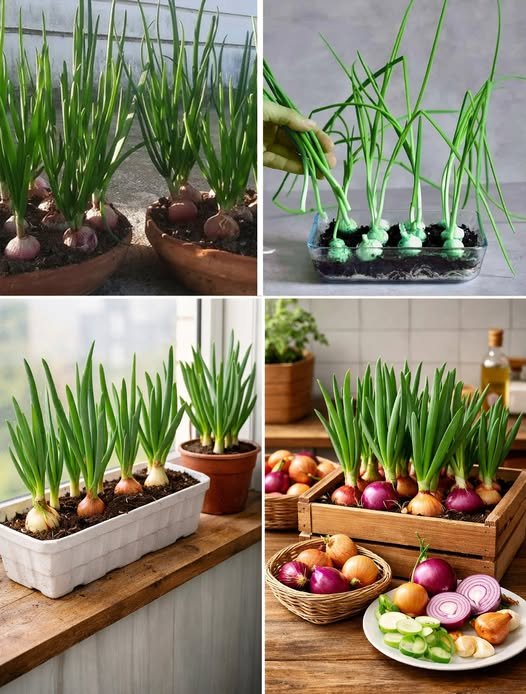
You don’t need a garden bed or sprawling backyard to grow onions. With the right setup, these flavorful bulbs can thrive in containers, making them perfect for balconies, patios, window boxes, or even sunny indoor spots. Whether you enjoy them raw in salads or caramelized in hearty meals, homegrown onions offer unbeatable freshness and satisfaction.
Here’s everything you need to know to grow onions successfully without using any ground space.
Why Grow Onions in Containers?
Onions are an ideal crop for small-space gardeners. Here’s why:
-
- Compact growth: Onions don’t sprawl or vine, so they fit nicely into pots and vertical setups.
- Low maintenance: Once planted, they need minimal care beyond watering and feeding.
- Clean and tidy: Containers reduce weed problems and limit soil-borne diseases.
- Quick harvests: Scallions and bunching onions can be ready to pick in a few weeks.
- Year-round potential: With the right lighting, you can grow onions indoors year-round.
This makes them a smart choice for apartment dwellers, urban gardeners, and beginners alike.
Choosing the Right Onion Variety
arrow_forward_ios
Watch MorePause
00:00
00:06
06:28Mute
Powered by
GliaStudios
Before planting, decide what type of onion you want to grow:
-
- Bulb onions: These include red, white, and yellow varieties. They take longer to mature but provide large bulbs perfect for cooking.
- Green onions (scallions): Harvested before the bulb forms, they’re fast-growing and excellent for container gardens.
- Bunching onions: These non-bulbing varieties are great for continuous harvests and regrow well after cutting.
Also, consider day length:
- Short-day onions are best for southern regions.
- Long-day onions suit northern climates.
- Day-neutral onions work in most locations and are great for containers.
Selecting the Right Container
Container size and type matter when growing onions:
-
- Depth: At least 6 inches deep for green onions, 10–12 inches for bulb onions.
- Width: A wider container accommodates more plants, which is helpful for maximizing space.
- Material: Plastic pots, fabric grow bags, wooden boxes, or even recycled buckets work well as long as they have drainage holes.
- Drainage: Onions hate soggy roots. Ensure good drainage to avoid rot.
You can also grow onions in reused water bottles, food containers, or crates—just ensure they’re deep enough and allow excess water to drain.
Soil and Planting
Use loose, well-draining potting mix with added compost or aged manure. Avoid heavy garden soil, which can compact and restrict root growth.
Planting tips:
-
- Fill your container with moistened potting mix, leaving an inch of space at the top.
- Plant onion sets (small bulbs), seedlings, or seeds. Sets are the fastest and most beginner-friendly.
- Space bulb onions 3–4 inches apart and green onions about 2 inches apart.
- Cover sets lightly with soil and water thoroughly.
If using seeds, start them indoors 8–10 weeks before transplanting or sow directly into containers when temperatures are mild.
Light and Temperature
Onions love the sun. Give them at least 6–8 hours of direct sunlight each day. Place containers in the brightest location possible—balconies, sunny windowsills, or rooftops are ideal.
Temperature-wise, onions prefer 55°F to 75°F (13°C to 24°C). They can tolerate light frosts and are generally hardy, making them suitable for most growing zones.
Watering and Fertilizing
Onions need consistent moisture to form healthy bulbs but do not like waterlogged soil.
-
- Water when the top inch of soil feels dry—usually every 2–3 days.
- Avoid letting soil completely dry out, especially during bulb formation.
- Fertilize every 2–3 weeks with a balanced liquid fertilizer. When bulbs begin forming, reduce nitrogen and use a fertilizer with more phosphorus and potassium to support bulb growth.
Harvesting Your Onions
-
- Green onions can be harvested as soon as they are 6–8 inches tall. Snip them off at the base and let the roots regrow for a continuous harvest.
- Bulb onions are ready when the tops turn yellow and begin to fall over. Stop watering and let them cure in a dry, shady spot for about two weeks before trimming and storing.
After curing, store onions in a cool, dry place with good air circulation. Properly cured bulbs can last for months.
Urban Onion Growing Tips
-
- Regrow kitchen scraps: Place the base of a store-bought green onion in water or soil and it will regrow quickly.
-
- Rotate crops: Avoid reusing the same soil season after season to reduce the risk of disease.
- Mix varieties: Combine scallions and bulb onions in the same container for staggered harvests.
- Vertical growing: Consider stackable planters or tiered shelves to grow more in less space.
Final Thoughts
You don’t need a backyard to enjoy fresh, homegrown onions. With a few containers, good light, and basic care, you can take onions from bulb to table in any space. Whether you’re growing for everyday cooking, experimenting with new varieties, or simply enjoying the satisfaction of growing your own food, onions are one of the most rewarding crops to grow without ground space.