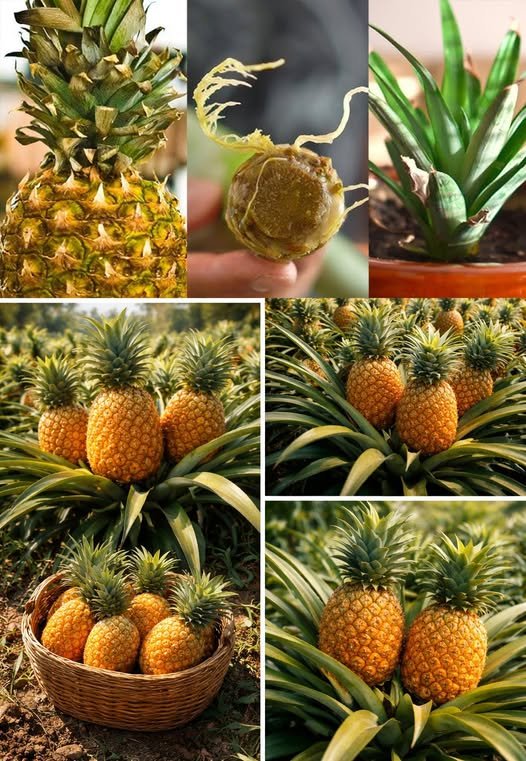
Pineapple is one of the most popular tropical fruits in the world, known for its sweet flavor, refreshing taste, and impressive health benefits. While many people enjoy eating pineapples, few realize that it is possible to grow an entirely new pineapple plant using only the leafy crown found at the top of the fruit. What may seem like kitchen waste can actually become the beginning of a beautiful and productive plant.
Growing pineapple at home is surprisingly simple and does not require a large garden. In fact, you can start the process using a small plastic container or pot. With a little patience and proper care, the crown of a pineapple can develop roots, grow into a healthy plant, and eventually produce its own fruit.
Why Grow Pineapple at Home?
Growing pineapples at home is both enjoyable and rewarding. Pineapple plants are attractive ornamental plants with long, spiky leaves that give them a tropical appearance. They can be grown indoors, on balconies, patios, or in gardens located in warm climates.
Another benefit is that pineapple plants are relatively low maintenance. They tolerate dry conditions better than many other fruit plants and require only moderate watering and sunlight to grow well.
For gardeners who enjoy experimenting with plant propagation, pineapple offers a fascinating opportunity to watch a fruit transform into a living plant.
Choosing the Right Pineapple
Play
00:00
00:00
00:00Mute
Powered by
GliaStudios
The first step in growing a pineapple plant is selecting a healthy fruit. When choosing a pineapple from the market, look for one that has fresh, green leaves at the crown. Avoid fruits with dried, brown, or damaged leaves because these may not grow successfully.
The fruit itself should be ripe but still firm. A healthy crown is the most important part because it contains the growing point that will develop into a new plant.
Removing the Crown
Once you have selected a pineapple, the next step is removing the crown. Hold the fruit firmly with one hand and twist the leafy top with the other hand. In most cases, the crown will detach easily from the fruit.
If twisting does not work, you can also cut the crown off with a knife. Be sure to remove any remaining fruit flesh attached to the base of the crown, as leftover fruit can rot and prevent successful rooting.
After removing the crown, peel away a few of the lower leaves at the base. This exposes a small section of the stem where roots will begin to form.
Preparing the Crown for Planting
Allow the crown to dry for one or two days before planting. This drying period helps the cut area heal and reduces the risk of rot once the crown is placed in soil.
While some gardeners place the crown in water to encourage root growth, planting it directly in soil is often just as effective.
Planting in a Plastic Container
One of the simplest ways to grow a pineapple plant is by using a small plastic container or pot with drainage holes. Fill the container with light, well-draining soil. A mixture of potting soil, sand, and compost works well for pineapple plants.
Make a small hole in the center of the soil and place the base of the crown inside. Press the soil gently around the base so the plant remains upright.
Water the soil lightly after planting. The soil should be moist but not overly wet.
The Best Growing Conditions
Pineapple plants thrive in warm and sunny environments. Place the container in a location that receives plenty of sunlight, such as near a bright window, on a balcony, or in a garden with good sun exposure.
The ideal temperature for pineapple growth ranges between 20°C and 30°C. These plants prefer warm climates and do not tolerate frost or very cold temperatures.
Good air circulation and moderate humidity also help the plant grow more successfully.
Watering and Care
Pineapple plants do not require frequent watering. In fact, they are quite tolerant of dry conditions. Water the plant when the top layer of soil becomes dry.
One interesting characteristic of pineapple plants is that they can absorb some moisture through the center of their leaf rosette. Occasionally pouring a small amount of water into the center of the plant can help keep it hydrated.
However, excessive watering should be avoided because it may cause root rot.
Fertilizing the Plant
To encourage faster growth, pineapple plants benefit from occasional fertilization. A balanced liquid fertilizer applied once every four to six weeks during the growing season can support healthy development.
Organic fertilizers such as compost tea or diluted plant-based fertilizers can also be used. These provide nutrients that help strengthen the leaves and roots.
Patience: Waiting for Fruit
Growing a pineapple from a crown requires patience. The plant will first develop roots and produce long, strong leaves. After one to two years, the plant may begin to form a flower in the center.
This flower gradually develops into a new pineapple fruit. The fruit takes several months to mature before it is ready to harvest.
Although the process takes time, watching a pineapple plant grow and eventually produce fruit is a satisfying experience for any gardener.
Additional Tips for Success
Repot the plant into a larger container if it becomes root-bound. Larger pots give the roots more space and support healthier growth.
Keep the plant in bright light, but protect it from extremely intense midday sun in very hot climates.
Remove any damaged or dry leaves to keep the plant looking healthy and attractive.
Final Thoughts
Growing pineapple at home from the crown of a fruit is an amazing and simple gardening project that anyone can try. Instead of throwing away the leafy top after eating a pineapple, you can transform it into a thriving tropical plant.
With just a plastic container, well-draining soil, sunlight, and a little patience, that leftover crown can become a beautiful plant that may one day reward you with its own sweet fruit. It is a perfect example of how nature allows us to turn everyday kitchen scraps into living, growing plants.