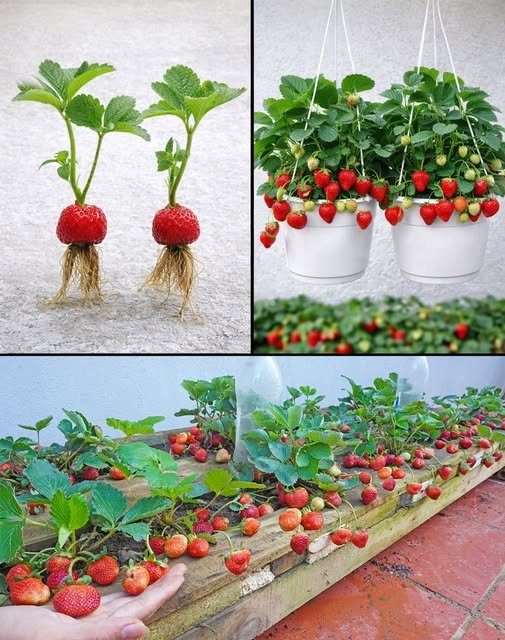
Growing strawberries using recycled pallets is an innovative and cost-effective way to cultivate fresh fruit for your family. This method maximizes space, reduces waste, and provides an attractive, organized planting system. Whether you have a backyard or a small patio, pallet gardening allows you to grow a bountiful harvest with minimal effort. In this guide, we will walk you through the process of recycling pallets to grow strawberries, ensuring a healthy and productive garden.
Why Use Recycled Pallets for Growing Strawberries?
Using pallets as planters offers several advantages:
- Space Efficiency: Vertical and raised pallet gardens save ground space, making them ideal for small yards or balconies.
- Sustainability: Repurposing old pallets helps reduce waste and supports eco-friendly gardening.
- Improved Drainage: The slatted structure of pallets prevents waterlogging, reducing the risk of root rot.
- Easy Maintenance: Pallets keep strawberries off the ground, reducing weed growth and pest infestations.
Selecting the Right Pallets
Not all pallets are suitable for gardening. Follow these tips to choose the best ones:
- Look for untreated wood: Avoid pallets treated with chemicals (marked with “MB” for methyl bromide). Instead, use HT (heat-treated) or kiln-dried pallets, which are safe for growing food.
- Choose sturdy pallets: Ensure the wood is in good condition, without rot or broken slats.
- Clean thoroughly: Scrub the pallet with soapy water and rinse well to remove dirt or residues.
Preparing Your Pallet Garden
1. Choosing the Best Location
Strawberries require 6-8 hours of direct sunlight daily, so place your pallet garden in a sunny spot. If growing indoors or in a shaded area, consider using LED grow lights to supplement light.
2. Lining the Pallet
To hold soil in place and improve moisture retention, line the back and bottom of the pallet with landscape fabric, burlap, or plastic sheeting. Secure it using a staple gun or nails.
3. Filling the Pallet with Soil
arrow_forward_ios
Watch MorePause
00:00
00:06
06:28Mute
Powered by
GliaStudios
Strawberries thrive in well-draining, nutrient-rich soil. Prepare a mix that includes:
- Coco coir or peat moss for moisture retention
- Perlite or sand for improved drainage
- Compost or organic matter for essential nutrients
Fill the pallet with soil, ensuring it reaches between the slats for even distribution.
Planting the Strawberries
1. Choosing the Right Strawberry Varieties
For a continuous harvest, consider planting a mix of:
- June-bearing strawberries – Produce a large crop once a year.
- Everbearing strawberries – Provide multiple harvests throughout the season.
- Day-neutral strawberries – Bear fruit continuously in favorable conditions.
Popular varieties include Albion, Seascape, Chandler, and Sweet Charlie for their large, sweet fruits.
2. Spacing and Planting
- Plant strawberry crowns so that the roots are buried but the crown (where leaves emerge) is just above the soil.
- Space plants 6-8 inches apart to allow for proper airflow and growth.
- Water gently to help the plants settle in.
Caring for Your Pallet Strawberry Garden
1. Watering
- Keep the soil evenly moist, but avoid overwatering.
- Water early in the morning to allow excess moisture to evaporate, reducing the risk of fungal diseases.
- Use drip irrigation or a watering can with a fine spout for gentle watering.
2. Fertilizing
- Apply a balanced fertilizer (10-10-10) every 2-3 weeks during the growing phase.
- Once flowers appear, switch to a fertilizer higher in potassium (e.g., 5-10-10) to encourage fruit production.
- Organic options like compost tea, fish emulsion, or banana peel water provide nutrients naturally.
3. Pruning and Maintenance
- Remove runners (long stems that produce new plants) to focus energy on fruit production.
- Trim yellow or damaged leaves to improve airflow and prevent disease.
- Monitor for pests like aphids and slugs, using organic methods such as neem oil or diatomaceous earth if needed.
Encouraging Pollination
Strawberries are self-pollinating, but hand pollination can improve yields, especially in enclosed spaces:
- Use a small brush or cotton swab to transfer pollen between flowers.
- Gently shake the plants to distribute pollen naturally.
Managing Pests and Diseases
Growing strawberries in pallets reduces soil-borne diseases, but you should still watch for common issues:
- Aphids and whiteflies – Use insecticidal soap or neem oil.
- Powdery mildew – Improve airflow and apply a baking soda-water spray.
- Gray mold (Botrytis) – Remove affected fruit immediately and avoid overhead watering.
Harvesting and Storing Strawberries
Strawberries are ready for harvest about 90-120 days after planting, depending on the variety.
- Pick when fully red for the best sweetness.
- Use scissors or pruning shears to cut the fruit, leaving a small stem attached.
- Harvest in the morning when the berries are cool for better storage.
Storage Tips
- Refrigerate unwashed berries in a breathable container for up to 5-7 days.
- Freeze by washing, drying, and spreading them on a baking sheet before transferring to an airtight bag.
- Preserve by making strawberry jam, dehydrated chips, or fruit puree for long-term use.
Benefits of a Pallet Strawberry Garden
- Sustainable and eco-friendly
- Ideal for small spaces
- Reduces weeding and soil-borne diseases
- Easy to maintain and harvest
- Aesthetic appeal for patios and gardens
Conclusion
Recycling pallets to grow strawberries is a simple, cost-effective, and sustainable gardening method. By following proper planting and care techniques, you can enjoy a bountiful harvest of fresh, sweet strawberries for your family. Whether you’re a beginner or an experienced gardener, this method provides an efficient way to cultivate delicious berries while reducing waste and maximizing space.