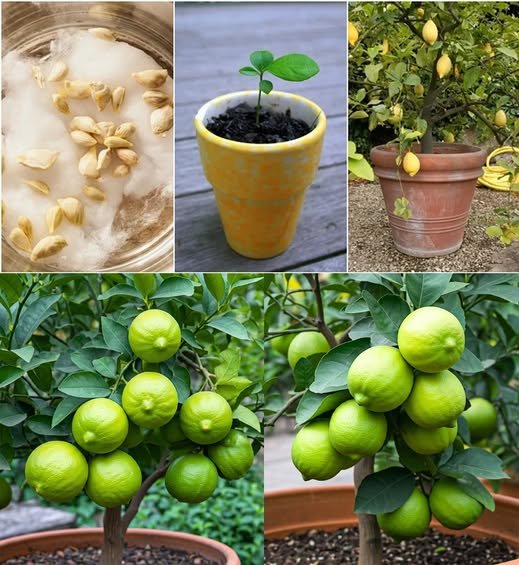
Growing a lemon tree from seed is a satisfying and educational project that can bring a bit of the orchard right into your living space. While lemon trees grown from seed may take longer to produce fruit than grafted ones, they are still beautiful, fragrant, and rewarding additions to your home or garden.
With patience, proper care, and a sunny spot, you can nurture a lemon tree from a tiny seed into a thriving plant. Here’s a step-by-step guide to help you successfully grow a lemon tree from seed right at home.
Step 1: Choose the Right Lemons
Start with an organic lemon from a grocery store or farmer’s market. Organic lemons are best because they are less likely to be treated with chemicals that inhibit seed germination. Select a ripe lemon with plump, mature seeds.
Step 2: Extract and Clean the Seeds
-
- Slice the lemon and remove several seeds.
- Rinse the seeds under warm water to remove pulp and sugars, which can cause mold.
- Gently rub the seeds with a paper towel to clean them further.
- For quicker germination, you can carefully peel off the outer seed coat using your fingernails or tweezers—though this step is optional and requires care.
Step 3: Pre-Germinate the Seeds (Optional but Recommended)
arrow_forward_ios
Read morePause
00:00
00:03
01:31Mute
Powered by
GliaStudios
Pre-germination gives your seeds a head start and increases success rates.
-
- Dampen a paper towel and place the cleaned seeds on it.
-
- Fold the towel over the seeds and place it in a plastic zip-lock bag or an airtight container.
- Label it with the date and keep it in a warm, dark place—like the top of your fridge or a cabinet.
- Check the seeds in 10–14 days. Once small roots sprout, they’re ready to be planted.
Step 4: Plant the Germinated Seeds
If you skipped pre-germination, you can plant seeds directly into soil, but sprouted seeds are more likely to thrive.
Planting instructions:
-
- Choose small pots or seed trays with drainage holes.
- Use a well-draining, light potting mix—preferably a citrus blend or a mix of peat moss, compost, and perlite.
- Plant seeds about 1/2 inch deep with the pointed end down.
- Water gently and keep the soil moist but not soggy.
Place the pots in a sunny, warm location—lemons love light and heat. A south-facing windowsill is ideal.
Step 5: Provide Proper Care
Lemon seedlings are delicate at first but grow steadily with the right care.
Light: Ensure your seedlings get at least 8 hours of sunlight daily. Use grow lights if natural light is limited.
Water: Keep the soil consistently moist. Avoid letting it dry out completely, but don’t overwater. Use a spray bottle for gentle watering in the beginning.
Temperature: Lemons prefer warm temperatures—ideally 70–85°F (21–29°C) during the day and not below 55°F (13°C) at night.
Humidity: Maintain moderate humidity. If your home is dry, mist the plants occasionally or place a humidity tray nearby.
Step 6: Transplant Seedlings
Once the seedlings develop 4–6 true leaves and are a few inches tall, they can be transplanted into individual pots. Choose slightly larger containers (6–8 inches wide) with drainage holes and fresh, well-draining soil.
Support young stems with a small stick if they seem flimsy.
Step 7: Encourage Healthy Growth
As your lemon tree matures, it will need continued support:
-
- Fertilizer: Feed your tree every 4–6 weeks with a balanced liquid fertilizer or a slow-release citrus blend.
- Repotting: Move to a larger pot every year or two to allow root expansion.
- Pruning: Once the tree is about a foot tall, pinch off the top growth to encourage bushier, fuller growth. Remove any weak or crossing branches as it matures.
- Pest control: Watch for signs of pests like aphids or spider mites. Use neem oil or insecticidal soap if needed.
Step 8: Be Patient About Fruit
Growing lemons from seed requires patience. It can take anywhere from 3 to 10 years for a tree to bear fruit—and some seed-grown trees may not fruit at all or produce less-than-ideal lemons. However, the plant itself will be a fragrant and beautiful addition to your space, with glossy green leaves and sweet-smelling flowers.
If fruit is your goal, ensure your tree gets ample sunlight, regular feeding, and proper pruning as it matures. You may also hand-pollinate indoor lemon trees by gently transferring pollen from flower to flower using a small brush or cotton swab.
Final Thoughts
Starting a lemon tree from seed is a fun, low-cost way to engage with nature and learn about plant life cycles. Whether or not your tree ever bears fruit, it will bring beauty, greenery, and a refreshing lemony aroma into your home.
With a bit of care, light, and patience, that tiny seed can grow into a thriving citrus tree—right from your windowsill or balcony.