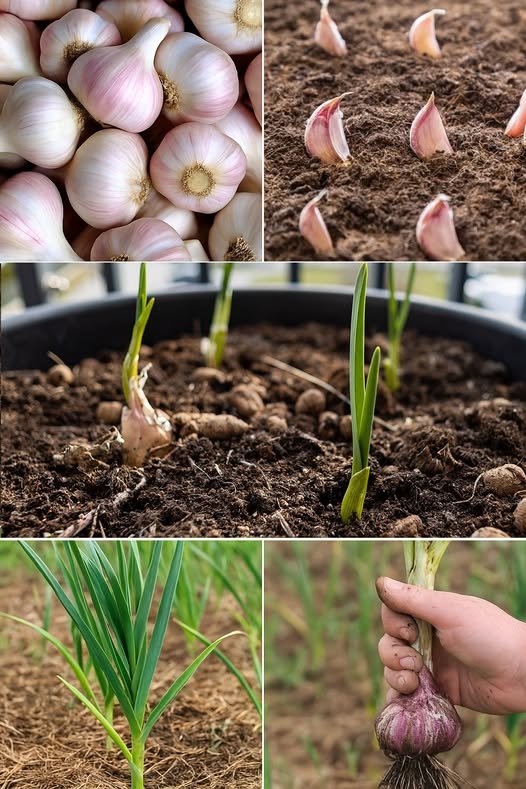

Garlic is one of the most versatile and widely used ingredients in the kitchen. From adding flavor to savory dishes to offering natural health benefits, this humble bulb is a staple in many households. The good news is that you don’t need a large garden to grow garlic successfully. Even in a small space, such as a balcony, patio, or rooftop, you can grow garlic in containers and enjoy a steady supply of fresh, homegrown bulbs.
Container gardening makes it possible to manage soil quality, move plants as needed, and make the most of limited space. With just a few basic steps, you can produce fragrant and flavorful garlic that rivals what you’d find in the best markets.
Why Grow Garlic in Containers?
Growing garlic in containers offers several unique advantages:
-
- Perfect for small spaces: Buckets, pots, and planters can fit easily on balconies or terraces.
- Easier pest control: Garlic in containers can be moved away from problem areas or pests.
- Soil quality control: You can prepare an ideal growing medium without worrying about heavy clay or poor garden soil.
- Convenient management: Containers can be positioned for the best sun exposure and brought under cover during heavy rains.
arrow_forward_ios
Watch MorePause
00:00
00:31
06:28Mute
Powered by
GliaStudios
This makes garlic an ideal crop for urban gardeners or anyone who wants to maximize space while still enjoying fresh harvests.
Choosing the Right Container
The first step to growing garlic in small spaces is selecting a suitable container.
-
- Size: Garlic bulbs require room to develop, so choose a pot or bucket that is at least 10–12 inches deep. A standard 5-gallon bucket can comfortably grow 6–8 cloves.
- Drainage: Drainage holes are essential to prevent waterlogging. Without them, garlic roots will rot. Drill several holes in the bottom of buckets or ensure pots already have drainage.
- Material: Plastic containers are lightweight and retain moisture well, while terracotta pots allow airflow but dry out faster. Both work, provided you monitor watering.
Preparing the Soil
Garlic thrives in loose, fertile, and well-draining soil. To create the perfect mix for container growing:
-
- Use equal parts potting soil, compost, and coarse sand or perlite.
- Enrich the soil with organic matter, such as worm castings or aged manure, to supply nutrients.
- Avoid heavy or compacted soil, which hinders bulb growth and retains too much water.
A well-prepared soil mix ensures strong root development and healthy bulbs.
Selecting Garlic for Planting
The type of garlic you plant matters for both yield and storage:
-
- Hardneck garlic: Produces larger cloves, tolerates cooler climates, and grows flavorful scapes (flower stalks).
- Softneck garlic: Better suited to warmer regions, offers longer storage life, and produces more cloves per bulb.
Purchase seed garlic from trusted suppliers rather than using grocery-store bulbs, which may be treated to prevent sprouting.
When ready to plant, separate the bulb into individual cloves, keeping the papery skin intact. Choose only the largest and healthiest cloves, as these will produce the strongest plants.
Planting Garlic in Containers
Planting garlic in containers is straightforward:
-
- Fill the container with your prepared soil, leaving about 2 inches of space from the rim.
- Place each clove with the pointed tip facing upward and the flat root side down.
-
- Space cloves 4–6 inches apart to allow room for bulbs to expand.
- Push each clove 2 inches deep into the soil and cover lightly.
- Water thoroughly to settle the soil around the cloves.
For ongoing harvests, consider planting several containers at different times of the year.
Caring for Garlic
Garlic is relatively low-maintenance but does require some attention:
-
- Sunlight: Garlic grows best with 6–8 hours of direct sunlight daily. Place containers in a bright location.
- Watering: Keep soil consistently moist but not waterlogged. Water when the top inch of soil feels dry. Reduce watering as the bulbs near maturity.
- Fertilizing: Apply a nitrogen-rich fertilizer during early growth for strong leaves, then switch to potassium-rich feed as bulbs form.
- Mulching: A thin layer of straw or shredded leaves helps regulate soil moisture and temperature.
Harvesting Garlic
Garlic typically takes 8–9 months to mature, depending on variety and growing conditions. Signs that garlic is ready for harvest include:
-
- Lower leaves turning yellow and drying out.
- About half the plant’s leaves still green and upright.
To harvest, stop watering one to two weeks beforehand. Loosen the soil gently and pull the bulbs out. Lay them in a shaded, airy space to cure for 2–3 weeks.
Once cured, garlic can be stored in a cool, dry spot for several months. Softneck garlic tends to keep longer than hardneck varieties.
Final Thoughts
Fresh garlic from container gardening proves that even small spaces can provide big harvests. By choosing the right container, preparing nutrient-rich soil, and giving your garlic consistent care, you can enjoy flavorful, homegrown bulbs without the need for a traditional garden.
Not only will you save money and reduce reliance on store-bought garlic, but you’ll also gain the satisfaction of harvesting one of the world’s most beloved cooking ingredients from your own balcony or patio. Whether you’re an urban dweller or simply looking to maximize your growing space, garlic in containers is a rewarding and practical gardening project that delivers delicious results.