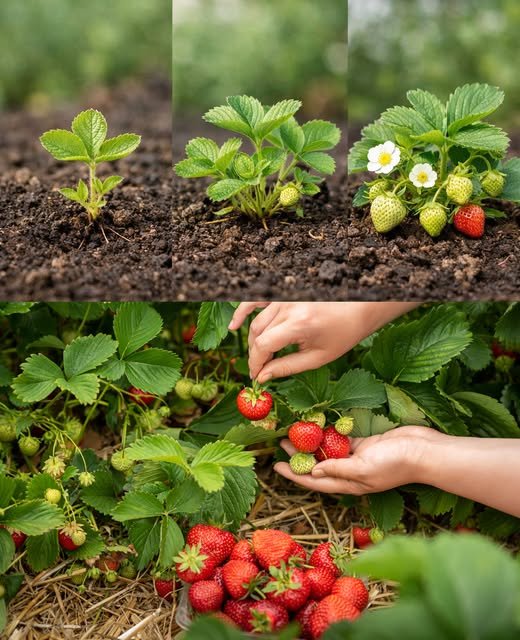
Strawberries are among the most rewarding fruits to grow at home, offering sweet, juicy berries that are as nutritious as they are delicious. While these plants are relatively easy to cultivate, achieving a high-yielding, disease-free crop requires careful attention to fertilization, soil preparation, and plant care. With the right techniques, your strawberry plants can thrive, producing uniform, flavorful berries season after season.
The Role of Fertilization in Strawberry Growth
Proper fertilization is one of the most important steps in cultivating healthy strawberries. Nutrient management affects every aspect of plant development, from root growth to fruit quality. Plants that lack essential nutrients may produce unevenly sized berries, have poor color, or display reduced sweetness. Weak plants are also more susceptible to pests and diseases, which can devastate a crop.
To ensure robust growth, strawberries require a balanced supply of nitrogen, phosphorus, and potassium, along with trace elements such as calcium, magnesium, and iron. Nitrogen supports healthy leaf and stem development, phosphorus encourages strong root systems and flowering, and potassium promotes fruit development and improves resistance to stress. Applying fertilizers at the right time and in the right amounts is critical to maintaining plant health and achieving optimal yields.
Crop Rotation: Protecting Your Plants from Disease
One of the most effective practices for maintaining healthy strawberries is crop rotation. Continuously planting strawberries in the same soil year after year can lead to the accumulation of pathogens, pests, and soil-borne diseases such as Verticillium wilt or Phytophthora. Over time, these issues reduce plant productivity and weaken overall plant health.
To avoid these problems, it is recommended to wait three to four years before replanting strawberries in the same location. Avoid planting strawberries after crops like potatoes, peppers, eggplants, or tomatoes, as these share common pests and diseases. Instead, legumes such as beans and peas are excellent pre-crops because they enrich the soil with nitrogen, improve soil structure, and promote healthy strawberry growth. Incorporating crop rotation into your gardening plan is a simple yet highly effective way to ensure stronger, more productive plants.
Sunlight and Watering for Optimal Growth
arrow_forward_ios
Read morePause
00:00
00:10
01:31Mute
Powered by
GliaStudios
Strawberries thrive in full sun, needing six to ten hours of direct sunlight daily. Choosing a well-lit location ensures plants produce strong stems, healthy leaves, and an abundance of fruit. Adequate sunlight also helps prevent fungal problems by keeping foliage dry.
Watering is equally important. Strawberries have shallow root systems, making them highly dependent on consistent soil moisture. Watering deeply but carefully ensures roots develop properly while avoiding waterlogged soil, which can lead to root rot and other issues. Regular watering during dry periods and especially during flowering and fruiting is essential to support strong plant growth and high-quality berry production.
Baking Soda: A Simple Natural Treatment
A little baking soda can go a long way in maintaining strawberry plant health. Adding a small amount to watering water helps regulate soil pH, creating a more favorable environment for root growth and nutrient absorption.
Baking soda also acts as a natural antifungal agent, helping prevent mold and other fungal infections. To use, dissolve one tablespoon of baking soda in one liter of water and apply the solution to your plants once a week or as needed. This simple practice strengthens your plants’ defenses, particularly in damp or humid conditions.
Milk Sprays: Boosting Plant Immunity
Milk is another natural ingredient that can improve strawberry health and disease resistance. Proteins, enzymes, and other compounds in milk help plants defend themselves against pests and fungal infections.
To prepare a milk spray, mix 200 milliliters of milk with one liter of water and spray it on strawberry leaves once or twice a week. This treatment is particularly effective during wet weather when fungal diseases are more likely to spread. Regular milk applications promote healthy foliage and increase the overall resilience of your strawberry plants.
Additional Tips for Thriving Strawberry Plants
- Mulching: Apply straw, wood chips, or other organic mulch around the base of your plants to retain soil moisture, regulate temperature, and suppress weeds.
- Pruning and Thinning: Remove dead or diseased leaves to improve air circulation, reduce fungal risks, and encourage the development of new, healthy growth.
- Pest Management: Monitor for common pests like aphids, slugs, and spider mites. Use natural solutions such as neem oil, garlic sprays, or introducing beneficial insects to control infestations.
- Balanced Fertilizer Use: Avoid excessive nitrogen, which can lead to lush foliage at the expense of fruit production. Ensure your fertilizer contains adequate phosphorus and potassium to support flowering and berry development.
Conclusion
Successfully growing strawberries requires more than planting seeds and waiting for fruit. Careful attention to soil health, nutrient management, and disease prevention is essential for achieving abundant, high-quality harvests. Implementing crop rotation, providing adequate sunlight and water, and using natural treatments like baking soda and milk sprays can significantly improve plant health and berry quality.
By combining these practices, gardeners can cultivate strawberries that are uniform in size, sweet in flavor, and resilient against pests and diseases. With consistent care and natural interventions, your strawberry plants will reward you with a bountiful, delicious harvest year after year.