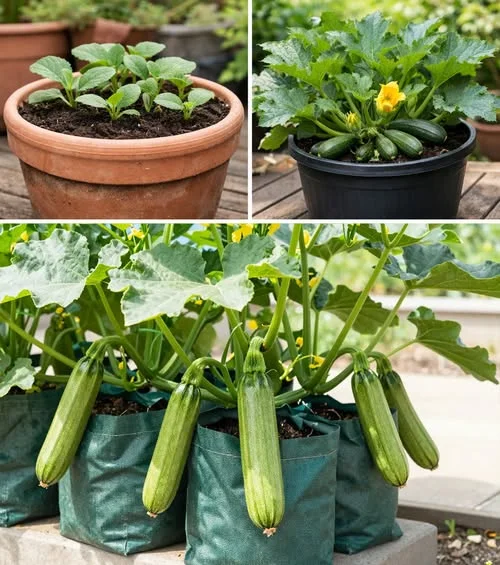
Zucchini is one of the easiest and most productive vegetables to grow at home, even if you don’t have a garden. With a large plastic container, a few essential supplies, and the right care, you can enjoy a steady supply of large, tender zucchinis throughout the growing season. This method is especially ideal for gardeners with limited space such as balconies, patios, or rooftops.
In this guide, you’ll learn how to grow zucchini in containers successfully, with tips to maximize fruit production and ensure a healthy, bountiful harvest.
Why Grow Zucchini in Containers?
Zucchini is a fast-growing, high-yield vegetable, and when planted in containers, it offers several advantages:
- Perfect for small spaces
- Easier to control soil quality and pests
- Allows better sunlight access and air circulation
- Portable—can be moved to follow the sun
- Produces high yields from just one or two plants
With the right setup, container-grown zucchini can be just as productive as those grown in garden beds.
Materials Needed
To get started, you’ll need:
- A large plastic container (minimum 20–30 liters or 5–7 gallons)
- High-quality potting mix
- Compost or well-rotted manure
- Zucchini seeds or seedlings
- Organic fertilizer (preferably balanced or high in potassium)
- Mulch (straw, dry leaves, or coco husk)
- Watering can or hose
arrow_forward_ios
Watch MorePause
04:21
00:09
05:09Mute
Powered by
GliaStudios
Optional:
- Trellis or cage (for vertical support)
- Neem oil or natural pesticide (in case of pests)
Step-by-Step Guide to Growing Zucchini in Containers
1. Choosing the Right Container
Zucchini plants grow large and need space for their roots. Choose a container with:
- A minimum depth of 12–15 inches
- Good drainage holes at the bottom
- A wide surface area to accommodate the plant’s spread
Plastic containers are lightweight, retain moisture well, and are easy to move. If repurposing old containers, make sure they’re food-safe and clean.
2. Preparing the Soil Mix
Use a light, well-draining soil mix. A good combination includes:
- 60% potting mix
- 30% compost or well-rotted cow/buffalo manure
- 10% sand or perlite for drainage
Zucchini is a heavy feeder, so enriching the soil with organic matter helps support long-term fruit production.
3. Sowing Seeds or Transplanting Seedlings
You can either start seeds directly in the container or transplant healthy seedlings. For direct sowing:
- Plant 2–3 seeds in the center, about 1 inch deep
- Keep the soil moist until they germinate (usually 5–8 days)
- Thin to one strong seedling once true leaves appear
If using seedlings, plant one per container to ensure proper root growth and airflow.
4. Sunlight and Location
Zucchini loves sunlight. Choose a spot where your container will get at least 6–8 hours of full sun each day. A sunny balcony, rooftop, or patio works perfectly.
If you notice the leaves stretching toward light, rotate the container occasionally for balanced growth.
5. Watering
Keep the soil evenly moist but not waterlogged. Zucchini plants require consistent watering, especially during flowering and fruiting. Water deeply when the top inch of soil feels dry.
Avoid wetting the leaves to reduce the risk of fungal diseases. Early morning watering is best.
6. Fertilizing
Feed your plant every 2 weeks with a balanced organic fertilizer or compost tea. Once flowering begins, switch to a potassium-rich feed (like banana peel tea or seaweed solution) to promote fruiting.
Avoid over-fertilizing with nitrogen, as it leads to lush leaves but fewer fruits.
7. Mulching and Pest Control
Mulch the surface with dry leaves or straw to retain moisture, reduce temperature swings, and suppress weeds.
Keep an eye out for pests like aphids or powdery mildew. If needed, spray the leaves with a neem oil solution every 10–14 days to prevent infestations.
8. Supporting the Plant (Optional)
While zucchini generally sprawls, you can train it vertically using a small trellis or tomato cage. This improves airflow and keeps fruits clean and off the ground.
Pollination and Fruit Production
Zucchini plants have separate male and female flowers. Bees and insects typically handle pollination, but if you’re growing on a balcony with fewer pollinators, you may need to hand-pollinate:
- Use a small brush or cotton swab to transfer pollen from the male flower to the female flower (the one with a small bulb at its base).
- Do this early in the morning when flowers are open.
Proper pollination ensures well-formed fruits and a heavier yield.
Harvesting Zucchini
Zucchini grows rapidly and should be harvested when 6–8 inches long for the best taste and texture. Don’t wait too long, as oversized fruits become seedy and reduce new fruit production.
Use a clean knife or scissors to cut the fruit off the plant—never twist or pull.
Regular harvesting encourages more growth. With good care, one plant can produce 10–15 fruits or more over the season.
Conclusion
Growing zucchini in plastic containers is an easy and rewarding way to enjoy fresh, organic vegetables right from your home. With a bit of sunlight, a large pot, and basic care, even beginner gardeners can enjoy a generous harvest of large, delicious zucchinis.
Try this method for your next gardening project—it’s productive, low-cost, and perfect for limited spaces.